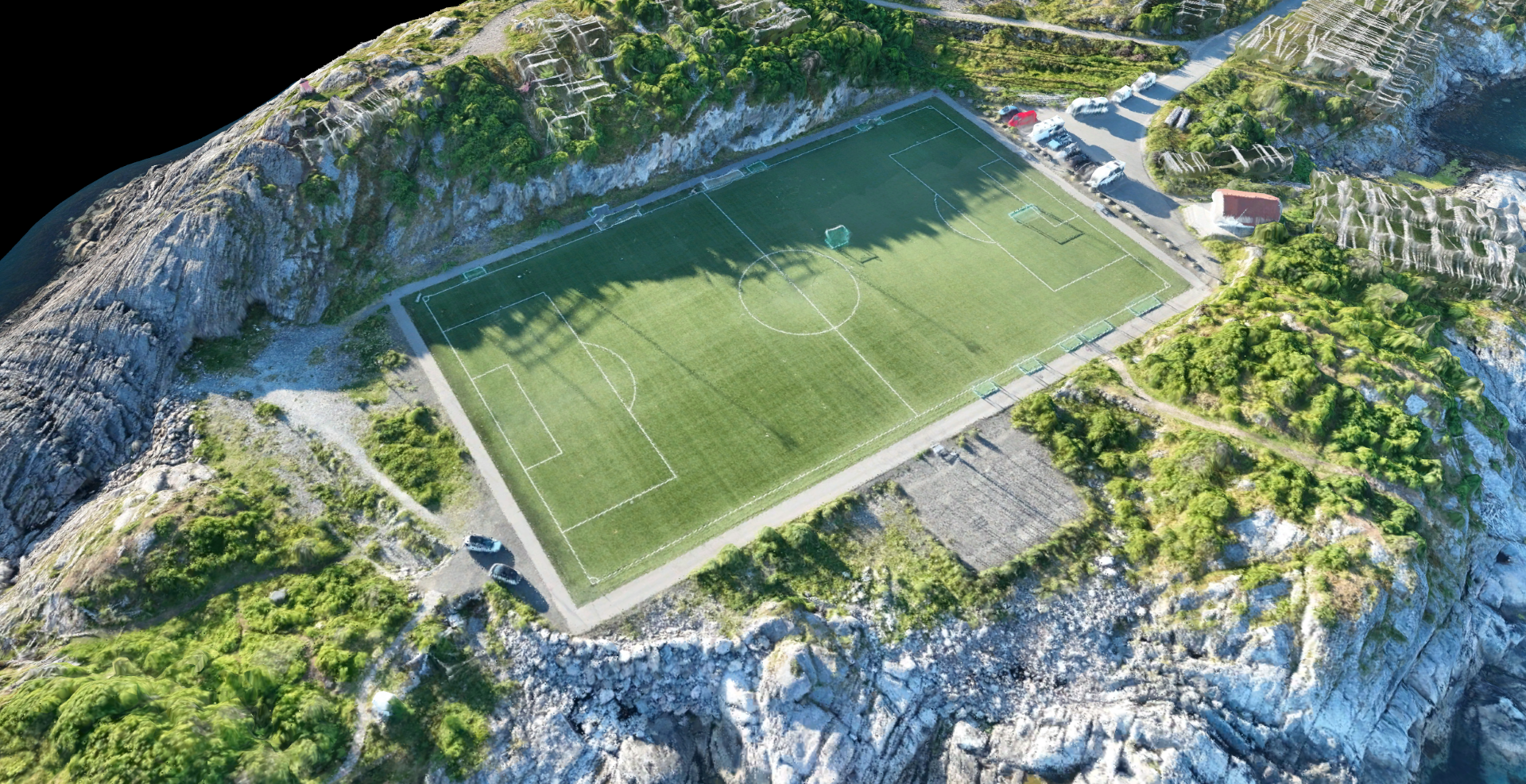
How has drone mapping transformed the way we capture, analyze, and visualize our physical environment?
In the rapidly evolving world of geospatial data collection, drone mapping has emerged as a transformative technology that revolutionizes traditional surveying approaches. Far from being a mere novelty, drone mapping offers a potent combination of efficiency, safety, and comprehensive detail that complements traditional surveying methods, providing a more holistic and accurate view of project sites.
Understanding this integration is crucial for construction professionals, engineers, and land development specialists who need reliable, cost-effective data collection solutions for complex projects.
What is Drone Mapping?
Drone mapping, also known as aerial surveying, utilizes Unmanned Aerial Vehicles (UAVs) equipped with various sensors—most commonly high-resolution cameras and LiDAR (Light Detection and Ranging) systems—to collect comprehensive aerial data. This data is then processed using specialized software, primarily through photogrammetry techniques, to generate precise 2D maps, 3D models, and other visual representations of worksites or terrain.
The Complete Drone Mapping Process
1. Strategic Flight Planning
- Survey area definition with precise boundary mapping
- Flight parameter optimization including altitude, speed, and image overlap settings
- Comprehensive data capture planning ensuring complete coverage and data quality
2. Professional Data Collection
- Autonomous flight execution following pre-programmed flight paths
- High-resolution image capture with strategic overlapping for photogrammetry processing
- Real-time quality monitoring ensuring complete data coverage and optimal conditions
3. Advanced Data Processing
- Specialized software processing stitching overlapping images into cohesive datasets
- Distortion correction and georeferencing to real-world coordinate systems
- Multiple output generation including orthomosaic maps, digital terrain models (DTMs), digital surface models (DSMs), and 3D point clouds
Professional Data Products and Applications
Orthomosaic Maps: Highly accurate, georeferenced aerial images providing comprehensive visual documentation with measurement capabilities
Digital Surface Models (DSMs): Detailed elevation data capturing all surface features including vegetation, buildings, and infrastructure
Digital Terrain Models (DTMs): Ground-level elevation data with vegetation and structures removed, ideal for earthwork analysis
3D Point Clouds and Models: Interactive visualization tools supporting design optimization and stakeholder communication
Drone Mapping vs. Traditional Surveying: Comprehensive Comparison
Traditional surveying methods utilize ground-based equipment like total stations, GPS receivers, and manual measurements. These methods are renowned for pinpoint precision and have been the backbone of land surveying for centuries. However, they can be time-consuming, labor-intensive, and pose safety risks in challenging terrain.
Detailed Performance Analysis
Equipment and Technology:
Traditional Surveying:
- Ground-based tools including total stations, GPS receivers, and precision measuring equipment
- High-accuracy instruments providing millimeter-level precision
- Established workflow protocols with proven reliability
Drone Mapping:
- UAV platforms equipped with advanced sensors including RGB cameras, multispectral cameras, and LiDAR systems
- Integrated GPS and IMU systems for precise positioning
- Real-time kinematic (RTK) capabilities for enhanced accuracy
Time Efficiency and Project Timeline:
Traditional Surveying:
- Meticulous, point-by-point data collection requiring extensive field time
- Weather-dependent operations with potential delays
- Sequential data collection limiting parallel processing opportunities
Drone Mapping:
- Rapid data capture covering hundreds of acres in hours rather than days
- Weather flexibility with rapid deployment during suitable conditions
- Parallel processing capabilities enabling simultaneous data collection and initial analysis
Manpower Requirements and Resource Allocation:
Traditional Surveying:
- Multiple team members required for comprehensive surveys
- Specialized skills needed for equipment operation and data interpretation
- Extended field presence increasing labor costs and logistical complexity
Drone Mapping:
- Minimal crew requirements typically one to two certified operators
- Reduced field time with most processing completed in office environments
- Scalable operations enabling efficient resource allocation across multiple projects
Safety and Accessibility Advantages
Traditional Surveying Limitations:
- Personnel exposure to hazards in active construction sites, steep slopes, or unstable terrain
- Limited accessibility in dangerous or environmentally sensitive areas
- Increased insurance and safety equipment costs
Drone Mapping Benefits:
- Operators maintain safe distance from survey areas, significantly reducing risk exposure
- Excellent accessibility in hard-to-reach or hazardous locations including rooftops, steep terrain, and active industrial sites
- Reduced safety equipment and insurance requirements through minimized personnel exposure
Data Density and Coverage Comparison
Traditional Methods:
- Discrete point collection requiring interpolation between measured locations
- Limited coverage density based on time and resource constraints
- Potential for missed features between survey points
Drone Mapping:
- Dense datasets providing continuous coverage of entire survey areas
- Comprehensive feature capture including details that might be missed by traditional point-based methods
- High-resolution imagery supporting visual interpretation and quality verification
Strategic Integration: The Power of Combined Methodologies
Drone mapping is not intended to replace ground surveying but rather to serve as a complementary data source. The true power lies in integrating data from both methodologies to achieve unparalleled accuracy and comprehensive understanding of project sites.
Enhanced Overall Accuracy Through Integration
Ground Control Points (GCPs) and Georeferencing:
- Traditional surveying establishes precise ground control points critical for georeferencing drone data
- Absolute accuracy assurance ensuring drone maps maintain real-world coordinate accuracy
- Quality verification through comparison between drone-derived measurements and ground-truth data
Precision Hierarchy Management:
- Ultra-fine detail capture through traditional methods for critical infrastructure elements and property boundaries
- Broad area coverage through drone mapping for comprehensive site understanding
- Layered accuracy approach optimizing precision where needed while maintaining efficiency
Comprehensive Data Collection Strategy
Aerial Perspective Benefits:
- Rapid identification of site features, changes, and potential challenges
- Comprehensive documentation of existing conditions and project progress
- Visual context supporting design decisions and stakeholder communication
Ground-Level Detail Enhancement:
- Millimeter-level precision for critical measurements and legal boundary establishment
- Sub-surface feature investigation through traditional probing and testing methods
- Quality assurance verification of drone-derived measurements and calculations
Workflow Optimization and Safety Enhancement
Risk Mitigation Strategies:
- Hazardous area mapping through drone surveys before personnel deployment
- Site condition assessment enabling informed safety protocol development
- Reduced personnel exposure in dangerous environments while maintaining data quality
Efficiency Maximization:
- Targeted ground surveys focusing on areas requiring highest precision
- Parallel operations with drone mapping covering broad areas while ground teams handle detailed measurements
- Optimized resource allocation reducing overall project timeline and costs
Decision-Making Enhancement Through Multi-Dimensional Data
Holistic Site Understanding:
- Multi-scale data integration from broad aerial perspectives to precise ground measurements
- Temporal analysis capabilities tracking changes over time through repeat surveys
- Comprehensive documentation supporting regulatory compliance and stakeholder reporting
Construction and Engineering Applications:
- Volume calculations for earthworks and stockpile management
- Progress monitoring through regular aerial documentation
- Quality control verification ensuring construction adherence to design specifications
Urban Planning and Development:
- Environmental impact assessment through comprehensive site documentation
- Infrastructure planning supported by detailed topographic and feature mapping
- Community engagement through visual documentation and 3D modeling
Implementation Best Practices and Strategic Considerations
Project Planning and Methodology Selection
Site Assessment Criteria:
- Terrain complexity and accessibility challenges
- Required accuracy levels for different project components
- Safety considerations and risk assessment requirements
- Timeline constraints and delivery schedule optimization
Technology Integration Planning:
- Ground control point strategy for optimal georeferencing accuracy
- Data processing workflow ensuring seamless integration between methodologies
- Quality assurance protocols maintaining consistency across data sources
Professional Standards and Regulatory Compliance
Certification and Training Requirements:
- Licensed surveyor oversight ensuring professional standards compliance
- Drone operator certification meeting aviation authority requirements
- Continuing education staying current with technological advances and regulatory changes
Data Quality and Documentation Standards:
- Accuracy specifications meeting industry and regulatory requirements
- Metadata documentation ensuring data traceability and quality verification
- Professional liability through proper methodology implementation and verification
Industry Applications and Success Stories
Construction and Infrastructure Projects
Site Development and Earthworks:
- Cut-and-fill analysis through comprehensive topographic mapping
- Drainage design support using detailed elevation models
- Environmental compliance documentation for regulatory submissions
Progress Monitoring and Quality Control:
- Regular documentation of construction progress against project schedules
- Volume tracking for materials management and billing verification
- Safety compliance through hazard identification and monitoring
Engineering and Environmental Applications
Transportation Infrastructure:
- Corridor mapping for highway and utility line planning
- Environmental impact assessment supporting permitting and compliance
- Asset condition monitoring for maintenance planning and lifecycle management
Natural Resource Management:
- Watershed analysis using detailed topographic and vegetation mapping
- Erosion monitoring through temporal change detection
- Habitat assessment supporting environmental conservation efforts
The Future of Integrated Surveying Solutions
Drone mapping represents a significant leap forward in geospatial data acquisition. When used in conjunction with traditional surveying techniques, it creates a powerful synergy that maximizes efficiency, enhances safety, and provides comprehensive detail and accuracy previously unattainable.
This integration leads to better project outcomes across diverse industries by enabling:
- Faster project delivery through optimized data collection workflows
- Enhanced safety protocols reducing personnel risk exposure
- Improved accuracy through multi-methodology verification and validation
- Better decision-making supported by comprehensive, multi-scale data analysis
Contact Dronify today to learn how integrated drone mapping and traditional surveying can optimize your project workflows, reduce costs, and improve accuracy. Our professional team combines certified drone operations with traditional surveying expertise to deliver comprehensive geospatial solutions tailored to your specific project requirements.
Whether you're planning construction projects, infrastructure development, or environmental assessments, our integrated approach provides the foundation for informed decision-making and successful project outcomes.